Fresh Milk or Nothing: The Hotel Tea Station That Tells You Everything
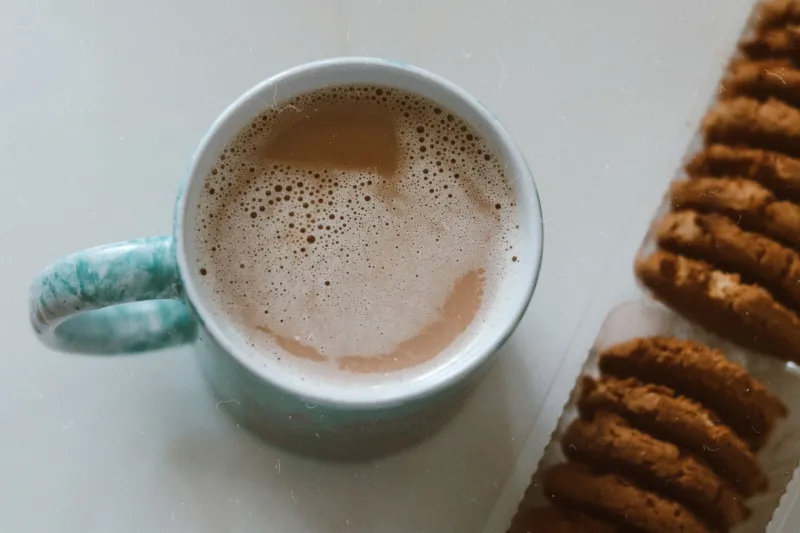
I have a routine when I check into a UK hotel. I don’t flop on the bed. I don’t photograph the wallpaper. I put my bag down, walk to the kettle and inspect the tea station. It takes about ninety seconds. It is also, I’ve come to believe, one of the most reliable signals of how the place is run.
This isn’t about being fussy for sport. A weekend break is a chain of small moments, and the in-room cuppa is often the first one you meet on your own terms. You’ve just arrived, maybe after a train delay or a damp walk from the car park. You want a brew before you unpack. What you find on that tray — or, increasingly, that narrow shelf beside the mini-fridge — tells you whether someone has thought about that moment.
The kettle is not just a kettle
Start with the appliance itself. A clean kettle with a well-fitting lid and no chalky tide mark around the element is a good sign. Limescale happens, especially in hard-water parts of the country, but a hotel that notices it is a hotel that notices things. If the kettle is furred up like a fossil and the spout is dusty, I start wondering what else has been left to stew.
I once stayed at a small hotel on the edge of the Peak District where the kettle had been descaled so recently it still smelled faintly of vinegar. That sounds like a complaint. It isn’t. Someone had clocked the water, done the job and left it ready. The same place had a tiny card explaining that the tap water was local and perfectly drinkable. Small effort, big difference.
Milk is the honest bit
Then there’s milk. This is where the tea station really shows its character. UHT pods have their place — they are practical, shelf-stable and better than nothing. But fresh milk in a small fridge, or a proper little bottle of local dairy milk, is a different level of care. It says someone expected you to want a decent cup, not just a hot drink.
I don’t need a silver jug. I do want milk that hasn’t been sitting out, and I want it to be obvious whether it is fresh. If a hotel leaves those long-life sachets, fine, but don’t dress it up as a farmhouse welcome. Honesty is part of hospitality.
On a recent weekend in the Cotswolds, the owner of a six-room place asked at check-in whether I wanted dairy or oat milk for the room. Not because I’d requested it, but because they kept a small jug in the fridge for each room. That is the kind of detail that makes me trust the breakfast menu before I’ve seen it.
The mug matters more than you think
Paper cups are the hotel equivalent of a shrug. I understand them in a budget airport lodge, but in an independent UK hotel with a fire in the bar and a decent wine list, they feel like a missed cue. A proper ceramic mug — heavy enough to warm your hands, big enough for a generous brew — costs very little and says a lot. So does a small teapot, if the place is feeling grand.
I’m not anti-cup. A china cup and saucer can be lovely in a country house. But a paper cup with a wooden stirrer is not a ritual. It is a utility. The tea station is the one place in the room where the hotel can offer a bit of everyday comfort, and a mug is the cheapest way to do it.
Biscuits, local brands and the stale-shortbread problem
Biscuits are the fun bit, and the most easily fumbled. A wrapped shortbread from a local bakery, a Tunnock’s teacake, a Border biscuit — these are small, inexpensive gestures that root a stay somewhere. I’d rather have one good biscuit than four sad custard creams that have gone soft in an envelope.
This is also where the tea station can get pretentious. A tiny slate of artisanal fudge is not a substitute for a decent tea bag. A hotel can offer both, but if the basics are thin, the flourish feels like stage dressing. The best brew kits are simple and generous: a couple of proper tea bags, a coffee option that doesn’t taste like burnt cardboard, fresh milk, a mug, a biscuit.
What good looks like
I won’t pretend there’s a secret list of perfect hotels. But the places that get this right tend to share a temperament. They are usually small enough that someone notices the kettle. They often have a fridge in the room, or a shared pantry, or a note saying you can ask for fresh milk at any hour. They treat the in-room cuppa as part of the stay, not an afterthought.
The Felin Fach Griffin near Brecon has long had the feel of a place that cares about the small stuff; the Bull at Charlbury in the Cotswolds is another where the room feels set up for a proper pause rather than a rushed night. The Pipe and Glass in East Yorkshire, with its rooms and its pub, is the sort of independent stay where a decent tea tray feels entirely in character. These are not endorsements of a specific tea bag. They are examples of a mindset.
A small test, not a fetish
I’m not suggesting you book a hotel solely on the strength of its kettle. A great tea station cannot rescue a lumpy mattress or a noisy road. But it is a useful early signal. It tells you whether the people running the place pay attention to the bits guests actually use. In a UK weekend break, that small ritual — arriving, putting the bag down, making a brew — is often the first real moment of the stay. If the hotel has thought about it, chances are it has thought about the rest.
So yes, I judge the tea tray. I judge the milk, the mug and the biscuit. I judge the kettle for limescale. It is a tiny, domestic test, and it has never once steered me badly.