Dial Before You Decide: The Booking Call That Tells You More Than the Photos
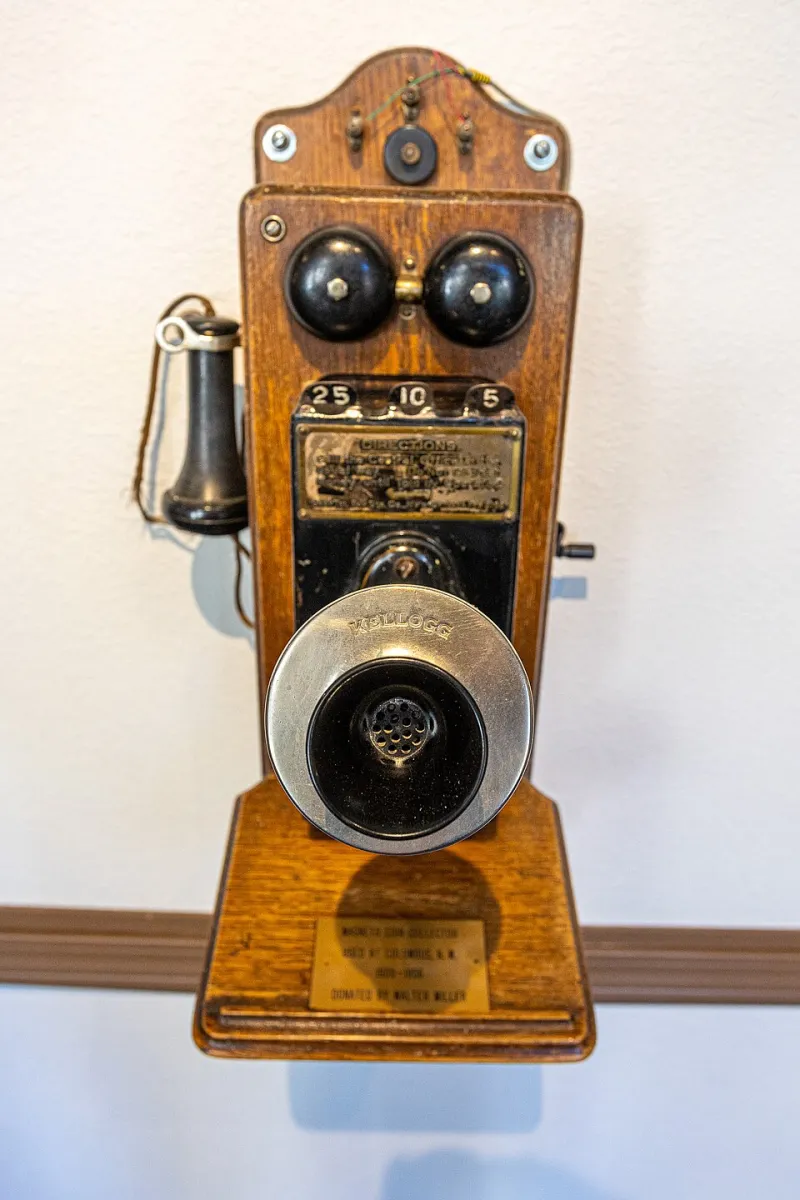
Photo: Kenneth C. Zirkel, CC BY 4.0, via Wikimedia Commons
We have become very good at booking hotels without speaking to anyone. We compare rates in tabs, squint at floor plans, read the same three reviews and convince ourselves that a room with a linen throw and a copper lamp will be just the thing. And often it is. But the most underrated booking tool is still the oldest one: pick up the phone and call the hotel.
Not the central reservations line. Not the chat widget that says “Hi! How can I help?” and then sends a booking link. The actual front desk, or the person who happens to be standing near it. On a good day, that two-minute conversation tells you more about a UK weekend stay than any gallery of softly lit photographs.
Who answers — and what they know
The first signal is simple: who picks up, and how long it takes. A recorded menu is not automatically a bad sign — some larger independents need one — but it does tell you something about where the human beings are. If you get through to someone who says the hotel’s name, not a call centre’s, you are already learning. If they can answer a specific question without putting you on hold, better still.
I am not asking for a personality test. Some excellent hoteliers are shy, brisk or mid-way through a delivery. The point is whether the person answering knows the building. Ask which floor a room is on. Ask whether the window opens. Ask if the bar below is noisy on a Friday. A front-desk person who has walked those corridors will answer in plain language. A script-reader will say “all our rooms are lovely” and hope you move on.
The questions that separate a desk from a script
You do not need a questionnaire. Three or four precise questions will do. Room layout, noise, parking and local walks are the practical pillars of a UK weekend break, and each one exposes whether the hotel is paying attention.
Try this: “I’m looking at the cheapest double — is it above the kitchen or the bar?” A good hotel will tell you. It might say, “It’s above the bar, but the bar closes at 10pm and the windows are secondary-glazed.” That is not a drawback; that is honesty with a solution attached. A vague “it should be quiet” is less reassuring than a specific “yes, you’ll hear the extractor until about nine, so I’d take room five if you’re a light sleeper.”
Parking is another giveaway. In a rural independent, “we have a car park” can mean a gravel patch for six cars, a tight turn past the bins, or a field that becomes a swamp in November. Ask how tight it is, whether you need to reserve a space, and what happens if you arrive after dinner. If the answer is “oh, you’ll find somewhere,” treat that as information, not reassurance.
And then the local walk. This is where the best UK hotels quietly shine. Ask whether you can walk to the village pub without a torch, whether the path is muddy, whether there is a stile that a dog can manage. A hotel that knows its own doorstep will mention the lane that floods, the short cut through the churchyard, the pub that stops serving food at 8.30pm. A hotel that does not know these things is probably not embedded in the place you have come to visit.
Honesty is the real luxury
The most useful thing a hotel can do on the phone is volunteer a drawback. I have had calls where the person on the other end said, unprompted, “the room is small — it’s the old boot room — but the bathroom is new and the view is the best in the house.” That is gold. It tells you the hotel is not selling a fantasy; it is hosting you.
Ask directly: “What would you avoid in this room?” or “If it were your weekend, which room would you pick?” The answer should be quick and human. “I’d avoid room two in summer because of the kitchen extractor” is a sentence that builds more trust than any five-star review. “All our rooms are perfect” is a sentence that makes me check the cancellation policy.
This is not about finding fault. It is about finding the truth. A stylish independent hotel can have a tiny room, a creaky floor and a car park that requires concentration. The question is whether the people running it know that, and whether they will help you choose around it.
What a passing call sounds like
The sort of places that pass this test tend to share a tone rather than a style. The person answering sounds like they work in the building, not in a brand. They ask whether you are coming by train. They mention boots and dogs without being prompted. They know the difference between the room with the bath and the room with the view. They say “I’ll put a note on the booking” and you believe them.
You find this in all sorts of UK independents — the Wiltshire pub-with-rooms that knows which table is draughty, the Brecon Beacons inn that can tell you the hill route without checking a map, the Yorkshire Dales hotel where the receptionist has strong views on the best parking spot. The names matter less than the behaviour. A good hotel is a people business before it is a design project.
Warning signs that save you a weekend
A few things should make you pause. If the person cannot tell you which floor the room is on, that is odd. If they cannot name a single local walk or pub, that is telling. If every question is met with “I’m sure it’s fine,” you are talking to someone who either does not know or does not want to say. If they push an upgrade before understanding what you need, note it. If they promise to “put a note” but do not ask your name, the note may not survive the shift change.
None of this is foolproof. A great phone manner cannot fix a broken boiler, and a slightly distracted receptionist does not mean the breakfast is bad. But the call is a useful filter. It tells you whether the hotel is run by people who notice things — and noticing things is most of what makes a weekend away feel easy.
Make the call short, specific and direct
Ring mid-morning or mid-afternoon, not at lunch or dinner service. Have three questions ready. Ask about the room, the noise and the walk. Ask for one honest drawback. If the answers are clear, book direct if you can. If they are vague, thank them and keep looking. Two minutes is a small price to pay for a weekend that starts with confidence rather than crossed fingers.