The Last Hour Test: What a UK Hotel’s Checkout Time Really Tells You
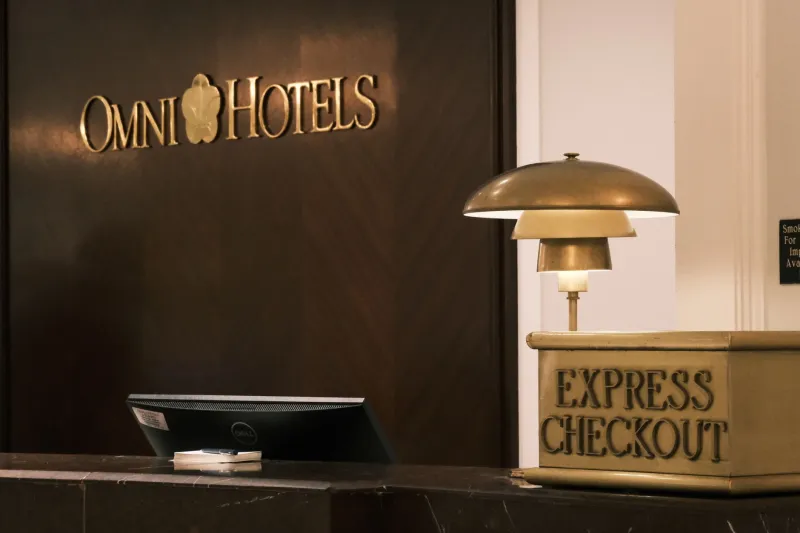
Checkout time is the least glamorous line on a booking confirmation. It sits below the room type, above the cancellation policy, and rarely gets a second glance. Yet after a few years of weekend stays in independent UK hotels, I’ve come to treat it as one of the most honest things a property tells you. Not because early is bad or late is good, but because the time — and the way it is enforced — reveals the shape of the operation behind the wallpaper.
The 10am hard stop
A 10am checkout can be perfectly civilised. Small hotels with a compact housekeeping team often need every minute to turn rooms before a 3pm check-in, especially on a Sunday when half the staff are also covering breakfast. The problem is not the hour itself. The problem is what the hotel does with it.
If the time is stated clearly at booking, if bags can be left without a fuss, and if there is somewhere to sit with a final coffee, a 10am deadline is just logistics. If the first thing you see at breakfast is a laminated notice warning that rooms must be vacated by 10am sharp, and the key cards stop working at 10.01, you are learning something else. That is deadline theatre. It says the hotel expects guests to be a nuisance rather than people who have paid for a night and would like to end it gracefully.
The best small places I’ve stayed in do the opposite. They tell you the time once, cheerfully, and then make departure feel easy: a tray for keys, a secure corner for luggage, a pot of coffee still available in the lounge. The deadline is the same. The mood is completely different.
The relaxed noon and what it hides
A noon checkout is lovely. It is also easy to advertise and harder to deliver. The useful question is whether the later time is genuine, universal and staffed, or whether it is a soft promise that evaporates when the hotel is full.
Some independents offer a relaxed departure as standard because their check-in window is late and their housekeeping team is properly sized. Others dangle late checkout as an upgrade, which is fair enough if the price and conditions are clear. The murky middle is the hotel that says ‘late checkout on request’ and then, on the morning itself, explains that housekeeping is stretched and the room is needed by 10.30.
That is not a crisis. It is information. A hotel that cannot hold its own policy under pressure is likely to be equally vague about dinner reservations, parking or the best walk to take when it rains. Departure day is a small stress test, and it is worth reading the result.
Departure day is a design problem, not just a policy
The last hour of a stay is shaped by the building as much as the rulebook. A hotel designed for weekenders will have somewhere to leave bags, a loo you can use after checkout, and a public room that does not feel off-limits the moment you hand back the key. If checkout is 10am but breakfast ends at 9.30, you are being quietly rushed even if nobody says so. If the only luggage store is a cupboard behind reception and the bar is closed until noon, the hotel has made a choice about how much it values the final morning.
This is where stylish independent places often beat larger groups. They may not have a spa or a porters’ desk, but they know their guests are often on a train, a walk or a slow Sunday drive home. A decent hotel will tell you where to leave the car, which café is open, and whether the local bus stops outside. The departure hour is part of the stay, not an afterthought.
What the good ones do
The hotels that get this right tend to share a few habits. They publish the checkout time plainly, not in a footnote. They avoid pretending that 10am is really 11am. If they offer a later slot, they explain whether it is free, paid or subject to availability. They do not make you feel like a squatter for finishing your toast.
They also think about the practicalities that matter on a UK weekend: storing bags while you visit a market, a castle or a National Trust garden; keeping a loo accessible after checkout; letting you wait in the lounge if your train is delayed. None of this is extravagant. It is the hospitality equivalent of leaving a torch by the back door.
Questions to ask before you book
Before booking a 2026 weekend break, it is worth sending a short email or checking the hotel’s own booking page. The answers will tell you more than the photos.
- Is checkout time fixed, or can I request a later departure? Is there a charge?
- What time does breakfast finish relative to checkout?
- Can I leave bags before check-in and after checkout, and is there a secure room?
- Is there a public loo or lounge I can use after I hand back the key?
- If my train is later, can I sit in the bar or café with a laptop or a book?
- On Sundays, is late checkout offered as standard or only midweek?
- Does housekeeping knock, or is there a quieter departure system?
Ask by email if you can. A quick reply that answers the question directly is a good sign; a vague one that promises ‘we will see what we can do’ is at least honest about the uncertainty.
The verdict
Checkout time is not a moral test. A two-room B&B with one housekeeper may genuinely need 10am. A city hotel with a 3pm check-in can afford noon. The tell is coherence: does the policy match the promise, and does the hotel treat the last hour as part of the stay rather than an inconvenience to be cleared away?
For a UK weekend, read the last line of the confirmation first. The departure time is a small thing, but it is rarely just a time. It is a hotel’s quiet statement about staffing, care and how it expects the weekend to end.