The Single-Night Test: UK Hotels That Don’t Make You Feel Like a Booking Error

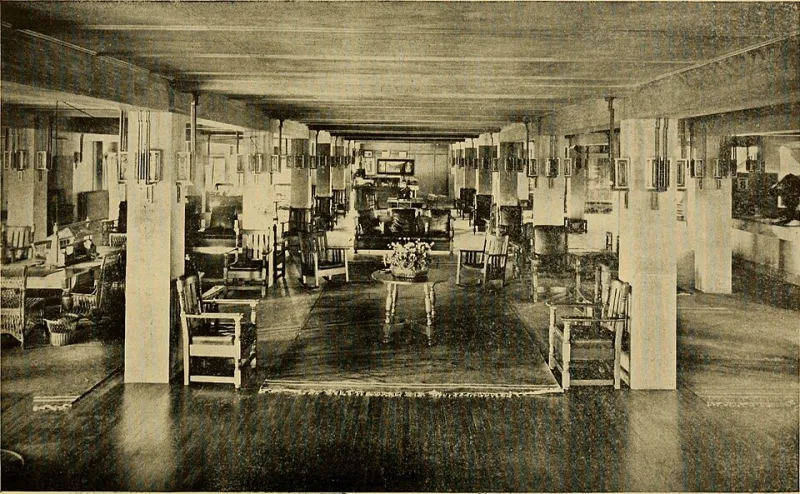
Photo: Andrew Abbott , CC BY-SA 2.0, via Wikimedia Commons
A one-night stay is not a compromise. For plenty of UK travellers, it is the weekend. You finish work on Friday, take the train, sleep somewhere interesting, walk somewhere muddy on Saturday, eat well, and are home before the Sunday scaries properly set in. It is a perfectly civilised way to travel. So why do so many hotels make it feel like you have asked for something unreasonable?
The usual suspects are familiar: the two-night minimum, the Saturday surcharge, the booking engine that mysteriously refuses to show a room until you add a second date. Sometimes there is a sound commercial reason. Sometimes there is not. The interesting question is not whether a hotel has a minimum stay. It is how the hotel handles the ask.
What a two-night minimum actually tells you
Let’s be fair: revenue management is real. A small independent hotel with a handful of rooms cannot always afford to hold a Saturday for a single night if it will struggle to sell the Friday or Sunday alongside it. Peak weekends, school holidays and local festivals are legitimate pressure points. A minimum stay is not automatically a red flag.
But the manner of the refusal matters. A hotel that says, plainly, that it cannot do one night on that particular date but can on another is still showing flexibility. A hotel that acts as though the request has never been made before, or implies that a single night is somehow not worth its staff’s time, is telling you something about how it sees guests. It is the difference between being managed and being welcomed.
There is also a confidence question. Hotels that know their value tend to keep single nights in circulation outside their genuine pinch points. They know a good room, a decent breakfast and a warm welcome can turn a one-night guest into a return visitor. Hotels that rely on blunt minimums for every weekend may be protecting revenue — or they may simply be less sure that the stay itself will do the work.
How to spot genuine flexibility before you book
Start with the booking engine, but do not treat it as gospel. Try a Tuesday and a Saturday separately. If a single night appears midweek but never at the weekend, that is a pattern worth noting. If the site only ever shows from prices for two nights, look for the minimum-stay wording in the terms rather than assuming.
A short, direct email is often more useful than any algorithm. Ask a simple question: is a single night possible on these dates, and is the rate different? The reply will tell you plenty. Prompt, specific answers are a good sign. Vague replies that push you towards a two-night package are less so.
Watch the pricing structure too. A Saturday premium is not a crime. A hotel that explains it clearly, and quotes the actual one-night rate rather than a misleading headline figure, is still playing fair. What you want to avoid is the drip-feed approach: a low teaser rate, then a weekend supplement, then a single-occupancy charge, then a breakfast fee that arrives like a parking ticket.
And check what the single night includes. The same room? The same breakfast? The same checkout time? A one-night stay should not quietly become a second-class product simply because you are not staying long enough to justify a luggage unpacking montage.
Where a short stay still feels first-class
A few independent places have kept the single night in normal circulation, at least outside their busiest dates. The Beckford Arms in Wiltshire is the sort of pub-with-rooms that understands a Friday-night stopover is part of the pleasure, not an inconvenience. The Bull at Charlbury in the Cotswolds tends to handle direct requests sensibly, and its village setting makes a one-night stay feel like a proper mini-break rather than a pit stop. In Wales, the Felin Fach Griffin near Brecon has long been the kind of place where dinner and a bed are the point; single nights are often possible outside peak weekends. In London, the Pilgrm keeps things simple and central, which is exactly what you want when one night is all you need. Artist Residence in Brighton is another useful example of a stylish independent stay that does not make a short booking feel like an administrative failure.
None of these are loopholes, and none should be treated as guaranteed. Policies shift with season, staffing and demand. The point is not to name-and-shame the minimum-stay hotels, but to notice the places that still regard a single night as a real stay. Confirm directly before you book, and do not assume that a website calendar is the final word.
The Saturday surcharge problem
Saturday is the most expensive night in the UK hotel week, and everyone knows it. A surcharge is not automatically greedy. But a good hotel makes it legible. It tells you the one-night Saturday rate up front, explains any minimum stay without a sigh, and does not pretend the cheapest room is available when it is not.
The worst version is the hotel that advertises a low midweek rate, then loads every possible extra onto a Saturday single night until the stay costs more than two midweek nights elsewhere. That is not revenue management. That is a pricing strategy that depends on the guest not doing the maths.
What to ask when you call
Keep it short. Say: I am looking at one night on this date. Is that possible, and is there a different rate or room for a single night? Ask whether breakfast and checkout are the same as for a two-night stay. If the answer is a minimum stay, ask whether the adjacent date has a lower minimum. If the answer is a Saturday surcharge, ask for the all-in price. Then decide.
A hotel that can answer those questions without defensiveness is usually a hotel that knows how it is run. That is the sort of place worth rewarding with your one night — and, quite possibly, your next two.
The verdict
A single night is a useful test of a UK hotel. It exposes whether the place is set up for guests or merely for occupancy. The best independents do not pretend that every date is equally easy to sell. They simply treat the request as a normal conversation, quote a fair price, and make the stay feel complete. In 2026, with weekend time tighter than ever, that is worth more than another loyalty scheme nobody asked for.