When the Boiler Dies at 9pm: Seven UK Hotels That Pass the Recovery Test
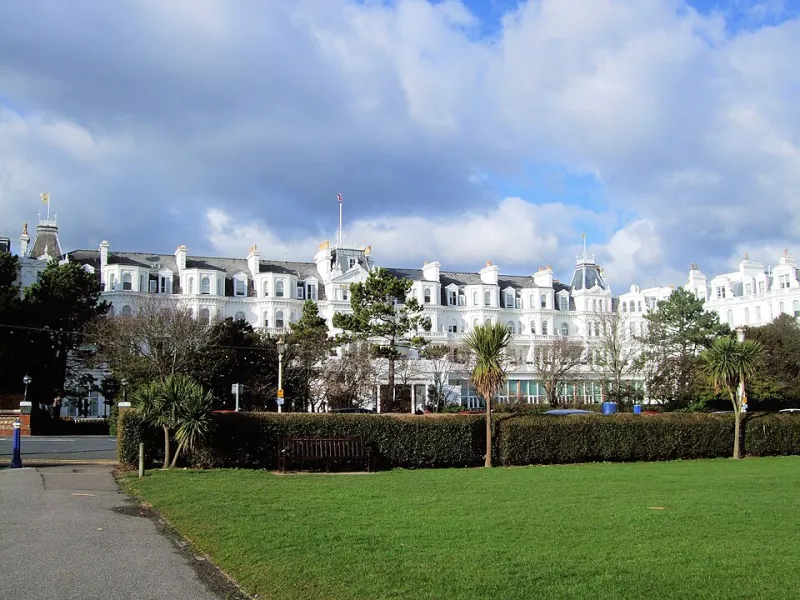
Photo: Paul Gillett, CC BY-SA 2.0, via Wikimedia Commons
Most hotel reviews are written from the sofa of hindsight. We remember the linen, the shortbread, the view from the window seat, and we file the hiccup under 'one of those things'. But ask anyone who has stood in a chilly bathroom at 9pm, or watched a receptionist tap at a screen while a confirmed booking refuses to appear, and they will tell you something different. They remember the recovery.
The first ten minutes are the whole story
A hotel cannot promise that nothing will go wrong. Boilers fail, bookings slip between systems, weddings run late, and kitchens misread a note. What a hotel can control is the moment after you say the sentence: 'Sorry, there's a problem.' Does someone own it? Does the apology sound like a script or like a person? Does the fix arrive before you have started calculating how cross to be?
That is the complaints ledger. Not the guest book full of compliments, but the private column where a stay is quietly marked up or down by how the awkward bit was handled. The best independent hotels are not flawless. They are fluent in fixing.
Seven stays that understand the ledger
The Beckford Arms, Wiltshire
A heating failure in a country pub is not glamorous, but it is revealing. The good ones do not spend ten minutes explaining the boiler's history. They move you, bring an extra blanket before you ask, and put a drink on the bar tab without making a performance of it. The Beckford Arms has the relaxed, well-drilled manner of a place that knows charm is not a substitute for warmth — literal or otherwise.
The Felin Fach Griffin, Powys
Booking muddles are the classic test. A reservation that has vanished can turn into a lecture about how the system works, or it can become a problem shared. At the Felin Fach Griffin, the right instincts tend to win: find the room, carry the bags, sort the details later. It helps that the place feels like a pub with bedrooms rather than a machine with a reception desk.
The Idle Rocks, Cornwall
Weather does a lot of the complaining in Cornwall. A delayed arrival, a soaked coat, a ferry that did not run — the best seaside hotels absorb this without fuss. The Idle Rocks understands that recovery is often practical: somewhere to hang wet things, a kitchen that can still produce something warm, and staff who do not make you feel like the last awkward guest of the evening.
The Gallivant, East Sussex
Noise is a delicate complaint. Mention a wedding party and some hotels turn defensive; mention it well and the good ones act. The Gallivant has the advantage of a grown-up, coastal-calm atmosphere, but the real lesson is in the response: acknowledge the disturbance, move the room if possible, and do not pretend the floorboards were silent. Guests forgive noise. They do not forgive being told they imagined it.
The Dunstane Houses, Edinburgh
City hotels deal in late trains and delayed flights. The recovery test is whether reception treats your changed arrival as an administrative annoyance or as the start of your stay. The Dunstane Houses has the townhouse knack of making a late check-in feel normal rather than heroic. A kept-back plate, a quick room orientation, a clear explanation of breakfast — those small acts do more than a lobby full of flowers.
The Bull at Burford, Cotswolds
Room mix-ups happen in old buildings with character and not quite enough corridors. The difference is whether the fix feels like a downgrade or a reassignment. At The Bull, the better recovery is the one that keeps the weekend's shape: bags moved, dinner reservation held, and a genuine check that the new room suits. Characterful hotels need characterful problem-solving, not a shrug dressed up as quirk.
The Talbot Inn, Mells
Dietary notes are the quiet test of a kitchen's confidence. A misread request can turn into a table-wide negotiation, or it can be solved quietly and properly. The Talbot Inn has the pub-restaurant virtue of treating food problems as hospitality problems, not as customer complaints. The best recovery is often invisible to the rest of the room: a new plate, a proper apology, and no lingering sense that you have inconvenienced the chef.
What good recovery looks like
- Own it quickly. 'I'm sorry, that's our mistake' is worth more than a paragraph of context.
- Act before you negotiate. A blanket, a room move or a pot of tea buys more goodwill than a discussion about policy.
- Match the fix to the problem. A cold shower is not solved by a complimentary biscuit. A missing booking is not solved by a shrug and a map of nearby hotels.
- Keep it human. The best staff do not recite a complaints procedure. They sound like people who want the evening to improve.
- Follow up once. A quiet check the next morning closes the loop. A second apology at checkout can reopen it.
The ledger test
When you are choosing an independent UK hotel, it is worth looking past the photographed bath and the breakfast menu. Look for signs of systems: clear contact before arrival, staff who seem to know what is happening, a reception desk that is staffed by someone with authority. Charm is lovely. Charm plus a plan is what gets you through the boiler dying at 9pm.
The honest truth is that no hotel wants to be judged on its bad nights. But travellers should. A place that handles the awkward moment well is not just a nicer stay; it is a safer bet. The welcome tray tells you what the hotel hopes you will remember. The complaints ledger tells you what it is actually made of.