The Room They Don't Photograph: What a Hotel's Cheapest Bed Really Says
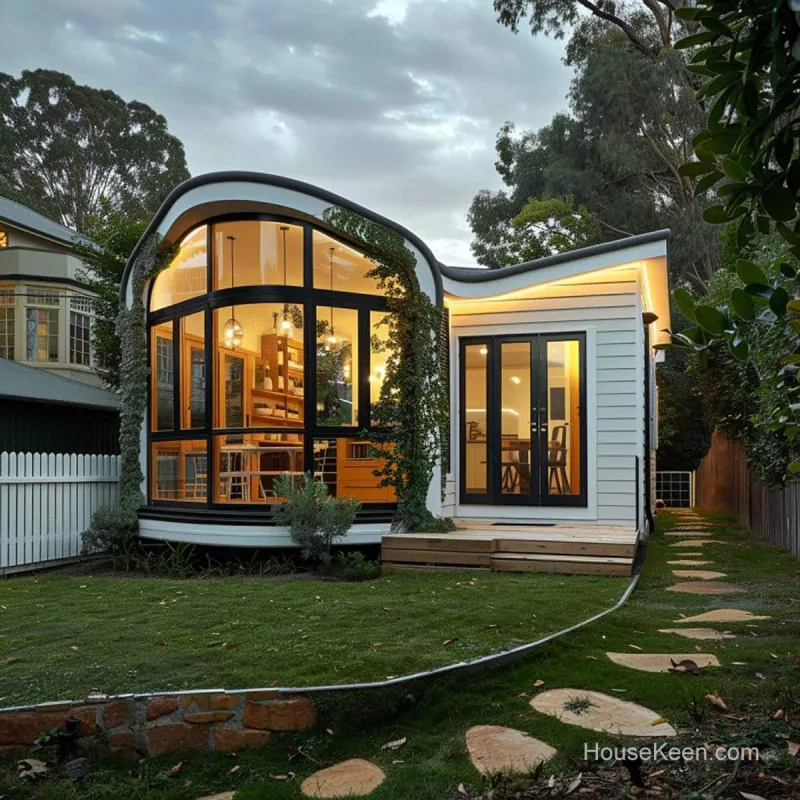
Photo: small attic single hotel room UK skylight simple linen independent hotel, via housekeen.com
Every hotel has a room it would rather you did not see. Not because it is necessarily bad, but because it does not fit the story. The brochure wants the four-poster with the freestanding bath and the view over the park. The booking engine wants you to see the lead-in rate and feel clever. The room itself is usually an attic single, a back-facing double over the extractor fan, or a compact space described as cosy in a way that invites suspicion.
I am not against a cheap room. Some of my favourite hotel nights have been in rooms that would never make the website. But the base-rate bedroom is the most revealing thing about a hotel. It tells you how the place behaves when it is not performing. The suite is a sales pitch. The cheapest room is a value system.
The brochure never shows it
There is a particular kind of UK hotel website where every image is a golden-hour fantasy and the lead-in category is represented by a thumbnail of a bed seen from an angle that suggests the photographer was standing in the corridor. You click through and find the words compact, characterful, traditional or snug. None of these are illegal. They are simply not information.
What I want to know is basic and practical. Does the cheapest room have a window? Is it a real window, or a skylight you cannot reach? Is the bathroom en suite, and is it a shower room the size of a wardrobe? Is the bed a standard double or a small double? Is there a desk, a chair, somewhere to put a cup? And, crucially, has the hotel photographed it honestly?
A hotel that shows its base room clearly is usually telling the truth about other things too. It knows the room is modest and it is not ashamed of it. That is a better signal than any amount of prose about heritage and warm welcomes.
What to ask before you click
Ask for the room dimensions if they are not listed. Ask which floor it is on and whether there is a lift. Ask whether the window faces the street, the courtyard, the kitchen extractor or a wall. Ask what the bathroom arrangement is, because en suite can mean many things and not all of them are restful. Ask if there is a desk. Ask if the room is above the bar.
Then ask the question that separates a good hotel from a merely slick one: would you stay in this room yourself? A good reservations team will answer honestly. They might say it is small but quiet, or that it is fine for one night but not a romantic weekend. They might offer you an upgrade for a sensible sum. The answer matters less than the willingness to give it.
This is not about extracting a bargain through interrogation. It is about avoiding the slow burn of disappointment that begins when you open the door and realise the photograph was taken with a wide-angle lens and a certain amount of nerve.
When the cheapest room wins
There is a time and a place for the base rate. If you are travelling alone, arriving late and leaving early, the attic single can be the smartest stay in the building. You are paying for the hotel's location, breakfast and bed, not for the square footage. If the linen is good, the water is hot and the room is quiet, the category is almost irrelevant.
It can also be the right choice when the hotel treats its cheap rooms with the same care as its expensive ones. Same toiletries, same coffee, same decent mattress, same honesty at check-in. That is the mark of a place that understands hospitality is not a tiered reward system. A modest room can still be a generous one.
Where it goes wrong is when the cheap room is cheap because the hotel has decided that some guests do not deserve quiet, light or a chair. That is not economy. That is contempt with a rate attached.
The gap tells the story
Look at the distance between the lead-in rate and the suite. A big gap is not automatically a red flag; some hotels have genuinely special suites and genuinely simple singles. But the way the gap is managed is revealing. Does the hotel make the base room feel like a punishment? Does it hide the room from the gallery? Does it upsell aggressively at check-in? Does it pretend the cheapest room is something it is not?
The best independent hotels I have stayed in tend to be straightforward about the whole hierarchy. They will tell you the lead-in room is small, the mid-range room is the sweet spot, and the suite is for an occasion. They do not act as if the cheap room is a secret they are hoping you will not notice. They treat the base rate as an invitation to the hotel, not a warning.
So next time you book, look at the room they do not photograph. Ask about it. Read the wording. Check the floor plan if there is one. The answer will tell you more about the hotel than the lobby flowers ever will. The cheapest bed is not just a rate. It is the hotel's first honest sentence.