Bag First, Room Later: The Quiet Test Every UK Hotel Faces at 11am
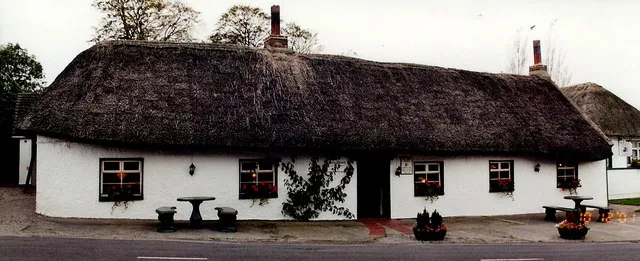
Photo: Basile Morin, CC BY-SA 4.0, via Wikimedia Commons
There is a particular kind of hopefulness in walking into a hotel at 11.40am. The train was early, the walk from the station was short, and for one bright moment you think you've beaten the system. Then the person behind the desk looks at the clock, looks at your suitcase, and you find out what kind of hotel you've actually booked.
Nobody puts this in the brochure. There's no filter for it on the booking site. But the early bag drop is one of the most honest thirty seconds in the entire weekend, because it's a moment nobody has rehearsed a script for. The room isn't ready. The guest is here anyway. What happens next is pure instinct.
Three answers, three different hotels
In my experience, the response falls into one of three camps.
The first is the cupboard. Your case is taken, labelled, wheeled through a door and you are handed a ticket with a number on it. It's efficient, it's fine, and it tells you almost nothing — except that someone has thought about this before and decided it was worth doing properly.
The second is the shrug. "Check-in's at three." No offer, no alternative, a faint suggestion that you've rather inconvenienced the morning. You end up dragging the case to a coffee shop, wedging it under a table and spending the next three hours apologising to baristas.
The third — and this is the one worth hunting for — is the head start. Someone takes the bag, then keeps going. There's a map with a route drawn on it. There's a suggestion about where to get lunch. There's a loo you can use, or better, a room you can change in. Suddenly the early arrival isn't a problem to be managed. It's a bonus hour and a half that the hotel has quietly given you.
That third response is rarer than it should be, and it has almost nothing to do with how expensive the place is.
It's a staffing question dressed up as a luggage question
Here's the unglamorous truth: taking a bag before check-in costs a hotel almost nothing except attention. It needs someone on the desk who isn't also running the bar, answering the phone and doing the breakfast tea. It needs a secure space that isn't the corridor. It needs a tag and a bit of paper.
Which is why the early bag drop is really a window onto how the place is run. A hotel that can absorb an unexpected arrival at half eleven without any visible fluster is a hotel with enough people on the floor. One that can't is usually one where the same three staff are holding the whole morning together with both hands.
And that matters for the rest of your stay, because the same staffing logic applies at 9pm when you want a drink, and at 7am when the boiler has decided to have a moment. The bag is just the first thing that asks the question.
What 'looked after' actually looks like
Once a hotel has your case, watch what happens to it. Is it tagged? Does it go somewhere specific, or does it get parked behind the desk where it will be tripped over twice before lunch? Do you get a ticket, or just a nod and a vague wave?
A named ticket feels bureaucratic until the moment you realise it means your bag is traceable. That's the difference between storage and care. And a hotel that thinks about traceability at 11.40am is usually a hotel that thinks about it at other times too — with the keys, with the bookings, with the table you asked for.
The other marker is whether anyone offers you a place to change. If you've come off a train with a rucksack and walking boots and a dinner booking eight hours away, a shower room and somewhere to hang a shirt is worth more than any welcome drink. Hotels that have one, and offer it unprompted, tend to be the ones run by people who have themselves arrived somewhere too early with too much luggage.
Where it goes right
A handful of independent UK stays I'd happily turn up at before noon for:
A Cumbrian fell-side house with a boot room the size of a small chapel. Cases go in, boots go on, and you're pointed at a walk that takes exactly the right amount of time before the room is ready. Nothing is made to feel like a favour.
A coaching inn on the edge of the Peak District, where the bag disappeared and a pot of tea appeared, and the person on the desk spent four minutes sketching a loop around the village that turned out to be the best part of the weekend.
A Georgian townhouse hotel in East Anglia with an actual changing room off the hall, ironing board included, and a firm view that guests arriving early are guests arriving, not guests arriving inconveniently.
A converted mill in the Yorkshire Dales where the luggage store doubles as a drying room and nobody bats an eyelid at a wet rucksack at 11am.
A small seaside hotel in Pembrokeshire that hands over a key to the luggage room and a printed tide table, which is a far more useful welcome than a bowl of potpourri.
A former vicarage in the Borders, where the owner took the case, asked what time we'd eaten, and booked us a table somewhere in the village because the kitchen wasn't open until six.
None of these are grand gestures. All of them are the same gesture, really: we saw you, and we did something about it.
The test you can run yourself
You don't need to arrive early on purpose. But if you're taking a morning train — and in the UK, with the way the timetables fall, you often are — it's worth asking the question before you book. A quick message saying "our train lands at 11.20, is there anywhere to leave a bag?" will get you one of those three answers long before you've paid a deposit.
The cupboard is fine. The head start is better. The shrug is a warning, and it's usually the first one you'll get.