No Till, No Trouble: What an Unattended Drinks Cabinet Reveals About a UK Hotel
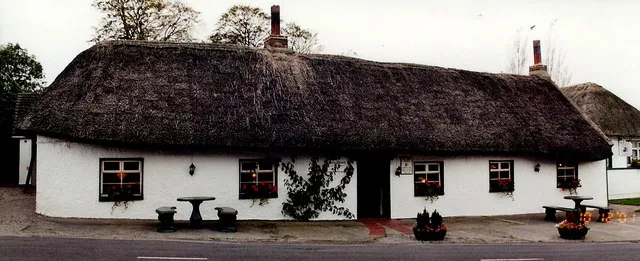
Photo: Joseph Mischyshyn, CC BY-SA 2.0, via Wikimedia Commons
There is a moment, usually around 9.30pm on a Saturday, when a good UK hotel stops performing. The plates are cleared, the fire is low, and you wander into a small room with a notebook, a pen, a bottle of something local and a handwritten price list. No staff. No till. Just a quiet assumption that you are an adult. That room is the honesty bar, and it is one of the most useful tests of a hotel you can find. A minibar tells you what a hotel thinks you might pay for a Mars bar at midnight. An honesty bar tells you what the people running the place think of people like you.
What the unattended cabinet actually reveals
An honesty bar is not a free bar, and it is not a gimmick. It is a small act of hospitality that depends on a rather old-fashioned idea: most people are decent, and the ones who are not will reveal themselves soon enough. When a hotel leaves the drinks out, it is making a statement about its own management. It has thought about stock, pricing, glassware and the awkward business of settling up at checkout. It has decided that a locked cupboard and a sign saying ask at reception would make the place feel smaller. That is a choice, and it is usually a good one.
The details give the game away. A proper honesty bar has a decent local gin, a whisky you would actually drink, mixers that are not flat, clean glasses and a ledger that makes sense. The prices are clear, not punitive. The note explains the system in two lines. If the cabinet is dusty, the tonic is warm and the price list reads like a ransom note, the hotel is not trusting you so much as testing your patience. If it is locked, it is not an honesty bar at all. It is a minibar with extra steps.
Seven that trust you with the key
These are the kind of independent stays where the honesty bar is part of the furniture, not a marketing line. Check the arrangement before you book, as small places change their systems, but these are the names that come up when you ask around.
The Drunken Duck Inn, Cumbria. A proper Lakeland inn with a residents' lounge that feels like it has been left to its own devices for years. The honesty bar is the sort of thing you want after a wet walk: local ale, a decent malt, a notebook and no fuss. It says the place is comfortable with itself.
The Inn at Whitewell, Lancashire. A rambling old inn beside the River Hodder where the fireside room and the honesty bar do the work of a second reception. You pour, you write it down, you settle up later. It is the opposite of the minibar performance.
The Lord Crewe Arms, Northumberland. A hotel in a former medieval hall where the honesty bar sits in the older part of the building and feels entirely natural. The stock is sensible, the ledger is tidy and the whole thing suggests a management that knows guests are not children.
The Beckford Arms, Wiltshire. A pub-with-rooms in the classic mould, with a sitting room that makes you want to stay put. The honesty bar is a small part of the whole, but it is the part that tells you the place is run by people who have thought about the evening, not just the check-in.
The Gallivant, East Sussex. A grown-up seaside stay near Camber Sands where the lounge honesty bar fits the mood: help yourself, write it down, no theatre. It is the kind of arrangement that makes a weekend feel less like a transaction and more like a house party with better linen.
The Westleton Crown, Suffolk. A Suffolk pub-with-rooms where the snug and the honesty bar are made for the hour after dinner. It is not flashy. It is better than that: it is useful, well stocked and quietly confident.
The Felin Fach Griffin, Powys. A proper food-led inn with a bar that feels like the front room of a very organised friend. The honesty bar is not there to show off. It is there because the place trusts you to pour a drink and remember to pay for it.
How to use one without ruining it
Use the glass that fits the drink. Write down what you took, including the mixer. Do not round down because nobody is watching. Do not take the bottle to your room, and do not treat the ledger as a challenge. Settle up at checkout without being asked. Leave the cabinet as you found it. The honesty bar is a small contract, and the guest's side of it is not complicated: behave as if the person who runs the place is standing behind you, because in spirit they are.
Why it is not a gimmick
A good honesty bar saves the hotel a bit of staffing and gives the guest a bit of freedom. It also signals something harder to fake: the place is relaxed enough to trust you. In 2026, when so many weekend breaks are over-scripted and over-priced, that small room with a notebook and a bottle of local gin is worth more than a turndown chocolate. It is hospitality in its simplest form. You are trusted, so you behave. That is the test, and the best UK hotels pass it without making a fuss.