Muddy Boots, Honest Ledgers: The UK Hotel Test That Starts at the Back Door
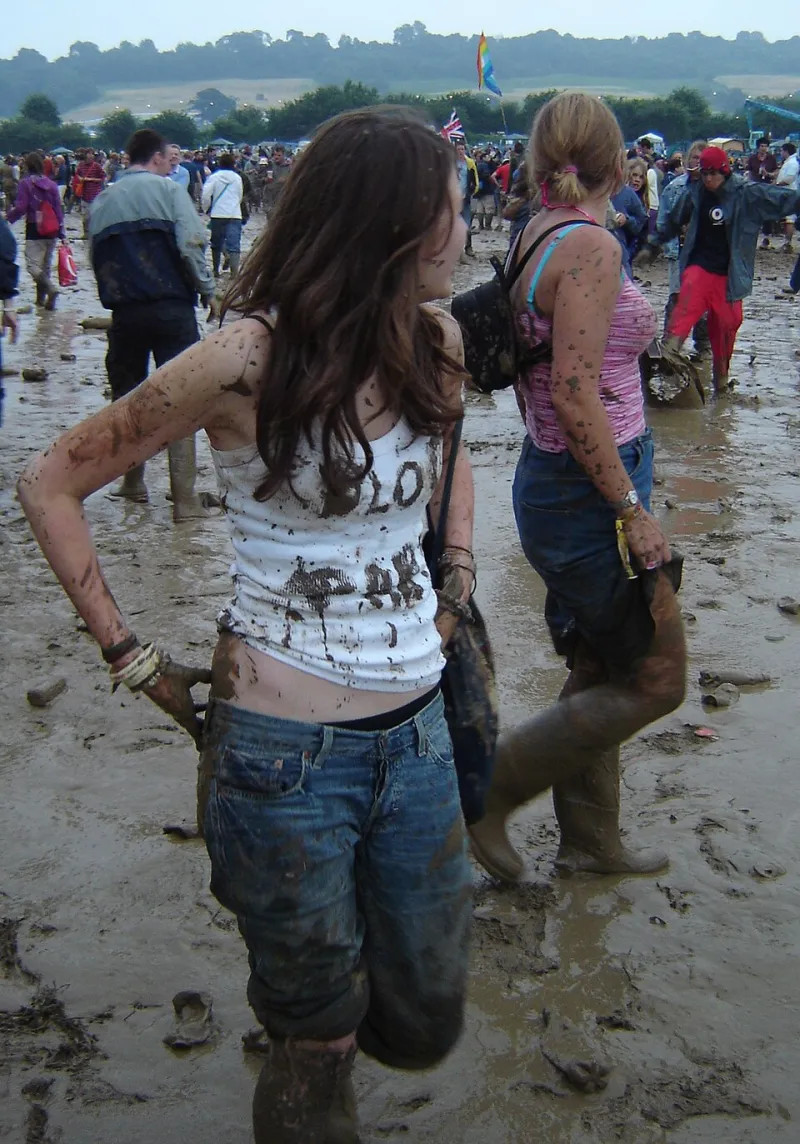
Photo: Paul Holloway from Birmingham, United Kingdom, CC BY-SA 2.0, via Wikimedia Commons
The room that cannot fake it
The front hall is a stage. It has flowers, a scent diffuser and someone smiling behind a desk. The boot room is the ledger. It is where a rural hotel quietly records what it actually expects you to do with your weekend — and whether it has thought about it for more than five minutes.
You can usually spot the difference before you have checked in. The good ones have a drying rack that actually works, not a token heated rail with three damp coats draped over it. There is a printed route map, not a laminated afterthought from the tourist board. There might be a flask, a walking stick or two, and a towel specifically designated for muddy paws. None of this is glamorous. All of it is useful.
That is the argument in a nutshell: good gear beats glossy branding. A hotel can call itself an adventure base until the cows come home, but if the boot room is locked at 9am and the only map is a blurry photocopy behind glass, the brochure has already lost the argument.
What the gear is really saying
A hotel that supplies walking kit is making a promise. It is saying that it knows why people come, what they will do before breakfast and what they will bring back on their trousers. It is also saying something about trust. A rack of borrowed walking sticks and a shelf of flasks suggests you are welcome to head out, get rained on and return without apology.
The details matter more than the design. A bench at the right height is worth more than a bespoke hook. A boot jack saves a small argument at the door. A hose or a tap outside is a quiet luxury. A drying room that is warm, ventilated and open before breakfast is the difference between a comfortable second walk and a cold, soggy drive home.
Maps are the real tell. A good hotel does not just point at the hills. It gives you a route with a sensible time, a note on where the path gets muddy and a pub at the halfway point. If the map has been printed by the hotel and updated in the past couple of years, you can almost feel the manager walking it themselves. If it is a faded leaflet for a trail that now runs through a housing estate, you learn something too.
Four places that pass the test
The Old Dungeon Ghyll, Great Langdale
This is a walkers' inn in the old sense: boots by the door, dogs under tables, no fuss about either. The boot room and drying space are practical rather than pretty, which is exactly the point. From the door you can take the Langdale Pikes via Stickle Ghyll, or keep it low and gentle along the valley floor towards Elterwater. The hotel does not need to decorate the idea of walking. The walking is right there.
The Kirkstile Inn, Loweswater
A proper Lakeland inn with a boot room that feels used rather than styled. The drying rack earns its keep, the maps are local and the muddy-paw towel policy is refreshingly relaxed. The Loweswater circuit is a fine wet-weather walk, and Mellbreak is there for anyone who wants a proper pull uphill. Come back, leave the boots by the door and order something warm.
The Torridon, Wester Ross
More polished than the first two, but still serious about the outdoors. The drying room, maps and walking gear are there for people who have come for the hills, not just the view from the conservatory. Head out towards Loch Torridon or take the path into Coire Mhic Nobuil if the weather is behaving. The point is that the hotel expects you to leave the building — and makes that easy.
The Fife Arms, Braemar
Stylish, art-filled and not remotely shy about its design, but the boot room still has a job to do. Braemar is a walking village, and the hotel knows it. A low-level route along the Linn of Dee or a climb up Morrone will test your gear and your legs; coming back to a proper drying space is the difference between a hotel that likes the idea of the outdoors and one that understands it.
The small things that separate a walking hotel from a hotel near a walk
Look for a drying room that is open when you need it, not when it suits the housekeeping schedule. Look for printed routes with times, not just a framed OS map. Look for a flask loan, a boot jack, a bench, a tap and a dog towel. Look for a weather forecast by the door. Look for somewhere to put wet kit that is not the bedroom carpet.
None of this costs a fortune. That is why it is such a good test. A hotel can spend a lot of money on lighting and still fail the boot room. A hotel can spend very little and pass with flying colours. It comes down to whether anyone has bothered to think about the guest who arrives with mud on their trousers and a walk in mind.
Book the place with the scuffed bench and the real drying rack. The branding will take care of itself.