The Case for Checking the Postcode First: Six UK Hotels Made by Their Villages
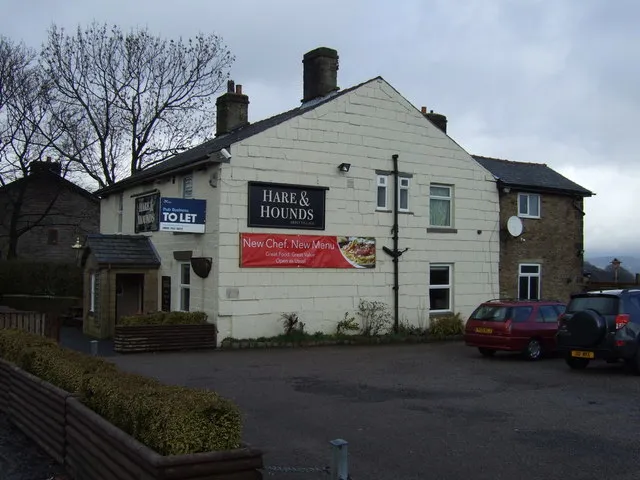
Photo: JThomas , CC BY-SA 2.0, via Wikimedia Commons
One of the quiet pleasures of a UK weekend break is arriving somewhere, parking the car, and not touching it again until Sunday. That only works if the hotel is in the right place. Not just a handsome building in a nice bit of countryside, but a stay where the village or small town immediately outside the door is part of the experience. A pub that is worth walking to. A footpath that starts at the church gate. A shop that sells the things you forgot. A reason to leave the room without getting back in the car.
This winter, as the light goes early and the lanes get muddy, that matters more than ever. A hotel can have excellent linen and a lovely bar, but if the only thing outside is a car park and a dual carriageway, the weekend has to be built elsewhere. The village is the amenity. The question is how to judge whether a hotel's location genuinely adds value, rather than just sounding good in the blurb.
How to judge whether the location is really doing the work
Start with a map, not the photos. Is there a pub within a five-minute walk that serves food at lunchtime? Is there at least one circular walk from the door, rather than a drive to a National Trust car park? If you want a car-free day, is there a bus stop or station within easy reach? Does the village have a shop, or at least an honesty box and a decent village hall noticeboard? And check winter opening: a beautiful village can be very quiet on a Tuesday in January.
Then read the hotel's own area guide with a sceptical eye. 'Close to' is doing a lot of work in some copy. Ask the hotel directly: can we walk to supper? Is the footpath from the door likely to be muddy? Do you have a map we can borrow? A good independent hotel will answer these questions without fuss. A pretty facade will send you a link to a taxi firm.
Finally, think about what you actually want from the weekend. If you want long hikes, a hamlet with one pub may be perfect. If you want a market town browse, a village with no shop will frustrate. The best location is the one that matches the sort of weekend you have booked.
Six stays where the surroundings earn their keep
The Beckford Arms, Fonthill Gifford, Wiltshire
A pub-with-rooms on the edge of the Fonthill estate, and a good example of a hotel that does not need to invent reasons to stay put. The village is tiny, but the walk from the door across the estate is the point. In winter, check the gate and path conditions before setting off, and book a table for supper before you arrive. The car can stay parked for a slow day of lanes, trees and a long lunch. If you want a town, Tisbury is a short drive — but the point is not to need it.
The Lord Crewe Arms, Blanchland, Northumberland
Blanchland feels almost too neat, with its stone square and abbey ruins, but it works because the village is the walk. Step out of the hotel and you can wander to the abbey, drop down to the River Derwent and pick up a circular route without moving the car. Bring proper boots: the moorland paths can be boggy. Check pub opening times in winter, as the village is small and quiet. The reward is a weekend where the car stays under a tree and the biggest decision is which lane to take.
The Inn at Whitewell, Forest of Bowland, Lancashire
A proper old inn in a bend of the River Hodder, with walks from the doorstep and a bar that feels like the centre of the universe on a cold night. The location is the amenity here: riverside paths, fell views and the kind of quiet that makes you notice the car engine has not started. Ask staff which paths are passable after rain. Bring a torch for early dusk. And book supper — the inn is not in a town, so you want to be eating there rather than driving.
The Felin Fach Griffin, Felin Fach, Powys
On the edge of the Brecon Beacons, this is a useful reminder that a village does not have to be chocolate-box pretty to add value. The Griffin is the anchor, with a bar and restaurant that give the hamlet a reason to exist for visitors. Use it as a base for Black Mountains walks, but also ask for the local lanes and footpaths that start near the door. The car may move for a bigger hill day, but the evening is sorted. Check seasonal opening and book ahead for dinner.
The George Inn, Hubberholme, North Yorkshire
Hubberholme is little more than a cluster of houses, a church and a pub, but that is exactly why it works. The George sits by the River Wharfe, and the Dales footpaths are right there. In winter, the village is quiet and the lanes can be icy, so go prepared. The pub is the social life of the place; eat there, not in a town ten miles away. If you want a car-free day, this is the sort of stay where you park, walk, eat and repeat.
The Milk House, Sissinghurst, Kent
A village stay with a castle garden on the doorstep — and enough lanes and footpaths to fill a weekend without driving. The Milk House is the sort of place where you can leave the car in the car park and walk to Sissinghurst Castle Garden, then back via a different lane. Check opening times and book garden tickets in advance, especially at weekends. The village is small, so plan supper at the hotel or check which local pubs are open. It is a good example of a location that does the heavy lifting: the weekend is already there when you arrive.
A final check before you book
None of this is about chasing the perfect village. It is about being honest about how you will spend your time. If you want to park the car and walk, check the map before you book. Ring the hotel and ask what is actually within walking distance in the season you are travelling. Look at the footpath map, not just the room rate. The best UK weekend stays are often the ones where the location is so good that the hotel only has to be comfortable, warm and well run.